Upgrade Your Exterior Space: Modern Deck Design Inspiration for Every Type of Home
Transforming a backyard area using thoughtful deck design substantially elevates its aesthetic value and practicality. Deliberate considerations in features, arrangement, and construction are fundamental for building an appealing outdoor retreat. When property owners aim to maximize their outdoor areas, knowing the critical components of well-executed deck design is necessary. How can thoughtful planning transform a basic deck into a stunning escape? Investigating the numerous features highlights countless potential outcomes for all types of properties.
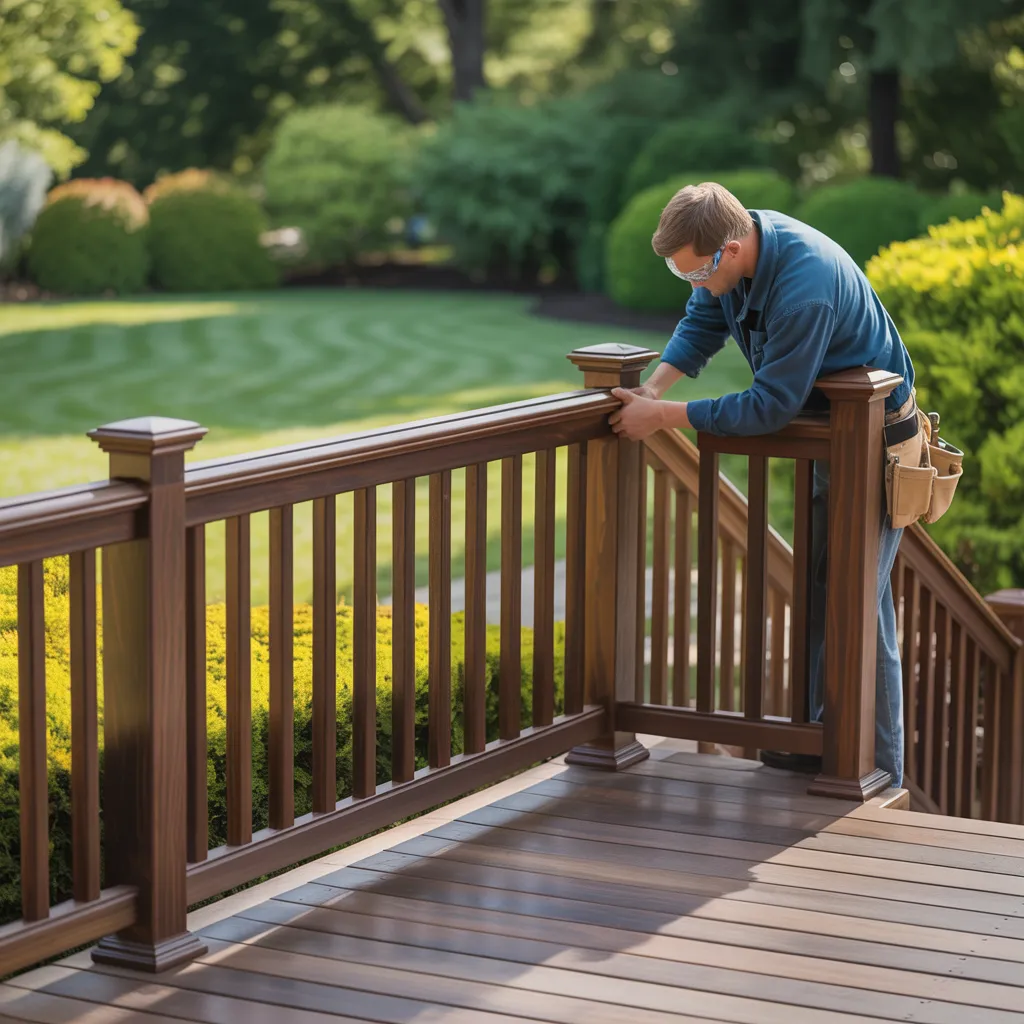
Choosing the Right Decking Materials for Your Space
When evaluating decking materials, how does one determine the most suitable option for their exterior living area? A detailed analysis of multiple considerations is necessary. To begin, climate is a critical factor; materials must withstand local weather conditions. To illustrate, composite decking provides excellent resilience in humid climates, whereas treated wood performs exceptionally well in arid regions.
Furthermore, maintenance requirements should be considered. Some materials need regular sealing or staining, while others require minimal upkeep. The preferred appearance also plays a role in the decision; property owners might favor the organic appearance of wood or the polished look of composite or PVC alternatives.
Budget constraints are another important factor, as costs can vary considerably between materials. Finally, considering the intended use of the deck—such as hosting gatherings or creating a serene retreat—will help guide the decision. By weighing these aspects, homeowners can choose decking materials that complement their outdoor area while fulfilling functional requirements.
Building with Functionality Ahead of Aesthetics
Choosing the right decking materials paves the way for the next essential phase in outdoor deck planning: placing functionality above aesthetics. Property owners should initially consider how the deck will be utilized, taking into account elements like hosting gatherings, dining outdoors, or unwinding. Effective design incorporates elements like built-in seating, storage solutions, and access points for easy movement.
Weather resistance and upkeep considerations also serve a critical function in guaranteeing the deck remains practical throughout the seasons. For example, composite materials offer durability, while non-slip surfaces enhance safety.
Moreover, adding options such as shade installations can increase the comfort level while preserving functionality.
When all is said and done, a practical deck improves the outdoor living experience, helping homeowners to get more out of their outdoor area. By concentrating on functional requirements first, design details can be thoughtfully integrated later, developing a harmonious and functional outdoor environment. Combining these factors ensures the deck fulfills its primary function while continuing to be aesthetically pleasing.
How to Design Multi-Level Decks for Visual Appeal
Enhancing outside living areas by incorporating stacked deck configurations creates striking visual appeal and enhances practicality. By adjusting the elevations of the deck design, homebuilders can create individual sections for multiple uses, such as unwinding, hosting, or growing. This layered approach not only optimizes space but also fosters a sense of intimacy and differentiation between every area.
To create this outcome, meticulous planning is necessary. Homeowners should consider the natural contours of the landscape and the view from various vantage points. Incorporating stairs or ramps can link multiple levels effortlessly while guaranteeing security. Using diverse materials—for example wood, composite, or stone—can further enhance the visual appeal, facilitating unique design possibilities.
Moreover, adding built-in planters or seating at multiple levels contributes both practicality and aesthetic beauty. When thoughtfully designed, a carefully planned tiered deck turns an average outdoor area into an inviting, multi-tiered environment that promotes relaxation and pleasure.
Integrating Efficient Lighting Options for Your Deck
Strategic lighting choices can transform a deck into an enchanting evening retreat, boosting both visibility and aesthetic appeal. Thoughtfully arranged lighting can brighten walkways, providing secure passage while enhancing visual appeal. Solutions including recessed lights in steps or along the underside of railings supply understated brightness without overshadowing the setting.
String lights can produce a comfortable, charming atmosphere, draping them across overhead beams or pergolas for a delightful touch. Solar-powered lanterns or stake lights are environmentally friendly options that demand minimal effort to install, delivering a gentle illumination throughout the night.
For a more modern approach, LED strips are ideal for installation along edges or under furniture, delivering a range of color and brightness settings. Additionally, adding dimmable lighting allows homeowners to adjust the mood, ensuring the deck works well for both social events and quiet evenings. By blending functionality with aesthetics, thoughtful lighting choices improve the overall feel of exterior living spaces.
Crafting Inviting Outdoor Living Spaces
Creating a cozy outdoor living space depends on mindful selection of cozy seating options, which invite comfort and connection. Additionally, thoughtful lighting choices can transform the setting, making evenings more inviting. Introducing warm fire elements brings added character and warmth, transforming the deck into a delightful escape.
Comfortable Seating Options
Since outdoor areas commonly act as extensions of the living space, the right seating options can transform them into inviting havens for relaxation and socialization. To achieve this, homeowners may consider a variety of choices that balance comfort and style. Inviting lounge chairs, soft outdoor sofas, and hammocks form snug spaces for unwinding. Sectional arrangements deliver adaptability and can support larger social events, while built-in benches make the most of available space and offer a polished finish. Placing cushions and accent pillows improves coziness and promotes more leisurely gatherings. For an element of sophistication, wicker or rattan furnishings combine resilience with visual charm. In the end, choosing the appropriate seating not only enhances the overall aesthetic but also cultivates a warm environment for loved ones.
Environmental Lighting Solutions
Turning exterior spaces into inviting hideaways depends heavily on appropriate ambient lighting choices. Carefully planned illumination can elevate the ambiance, rendering spaces more appealing for unwinding and hosting guests. Choices like string lights, decorative lanterns, and solar fixtures generate a cozy luminance that reduces sharp shadows and showcases design elements. Adding dimmable lighting provides flexibility, adjusting brightness levels to suit various moods. Moreover, integrated lighting within deck railings or steps ensures safety while enriching the surrounding ambiance. Layering different light sources, from ground-level to overhead, creates depth and interest. With thoughtful arrangement of these components, one can create a peaceful atmosphere that encourages guests to decompress and savor the wonders of the outdoor world.
Warm Fireplace Features
Warm fire installations have the ability to transform exterior living areas, delivering heat and a gathering point for get-togethers. These additions, spanning from simple fire pits to sophisticated outdoor fireplaces, create an inviting atmosphere perfect for socializing or relaxing under the stars. Residents may pick from a wide range of materials and aesthetics, such as natural stone, classic brick, or contemporary metal finishes, to match their current outdoor aesthetic. Moreover, placing inviting seating around the flames enriches the enjoyment, encouraging friends and family to linger. In the planning stages, it remains important to address safety protocols and regional rules about open flames. Ultimately, a well-designed fire feature transforms an outdoor area into a year-round retreat, allowing homeowners to enjoy their space regardless of the season.
Vital Deck Maintenance Tips for Extended Lifespan
Keeping up a deck is crucial for extending its lifespan and protecting its attractive appearance. Routine cleaning serves as a fundamental practice; sweeping away debris and washing the surface can inhibit the growth of mold and mildew. It is advisable to utilize a soft cleaning product specifically designed for deck materials, guaranteeing that no strong chemicals deteriorate the surface.
Assessing the deck for indications of deterioration, such as loose boards or splintering, is important. Promptly addressing these matters can minimize the risk of greater harm. Furthermore, utilizing a durable sealant every few years works to protect the deck from moisture and UV rays, increasing its longevity.
Periodic seasonal care, such as checking for rust on metal fixtures and tightening loose screws, is absolutely essential. Furthermore, in the winter season, clearing snow and ice will prevent unnecessary weight and damage. By adhering to useful tips these important upkeep guidelines, property owners can look forward to a stunning and long-lasting deck for many years ahead.
Tailoring Your Deck: Special Features and Accessories
A well-maintained deck provides an ideal foundation for personalization and creative expression. Property owners can transform their outdoor areas by integrating special features and accents that express their individual taste. To illustrate, stylish railings, including glass panels or detailed wrought iron, can elevate the overall look while promoting safety.
Furthermore, integrating combined seating and storage elements enables usefulness without diminishing beauty. Patio rugs, cushions, and soft throws in bright and striking tones can create a cozy atmosphere, turning the deck into an appealing escape.
Illumination choices, such as string lights, lanterns, or recessed fixtures, can elevate the mood during evening gatherings. Adding planters brimming with seasonal blooms or herbs brings a natural element, while an outdoor fireplace or patio heater enables use throughout the chilly months. By deliberately incorporating these components, property owners can design a customized outdoor space that balances practicality and aesthetics, establishing it as a natural expansion of their residence.
Common Questions and Answers
Which Plants Work Best to Enhance My Deck Design?
To enhance a deck layout, think about adding ornamental grasses, stunning flowering perennials, and easy-care succulents. Such plants provide color, texture, and year-round appeal, improving the overall look while establishing a warm and welcoming outdoor space.
How Do I Create Privacy for My Outdoor Deck Area?
To boost privacy on an exterior deck, one can make use of privacy screens, tall planters, outdoor curtains, or trellises with climbing plants. These elements cultivate a sheltered setting, allowing for peaceful enjoyment of the space.
What Permits Do I Need for Deck Construction?
Prior to building a deck, you will typically need to obtain building permits from municipal authorities. Regulations differ depending on location, commonly requiring compliance with zoning laws, site plans, and structural requirements to maintain safety standards and legal compliance.
What Is the Best Way to Choose a Deck Color Scheme?
To choose the right deck color combination, it is important to consider the home's exterior, surrounding environment, and individual taste. Coordinating these elements produces a unified appearance while ensuring the deck enhances its surroundings beautifully.
Can I Install a Deck on Uneven Terrain?
Yes, a deck can be set up on uneven terrain by utilizing adjustable post bases or constructing a raised platform. Thorough planning and leveling are critical to secure stability and safety for the structure.